What makes a Detroit beat sound like 2AM on the East Side?
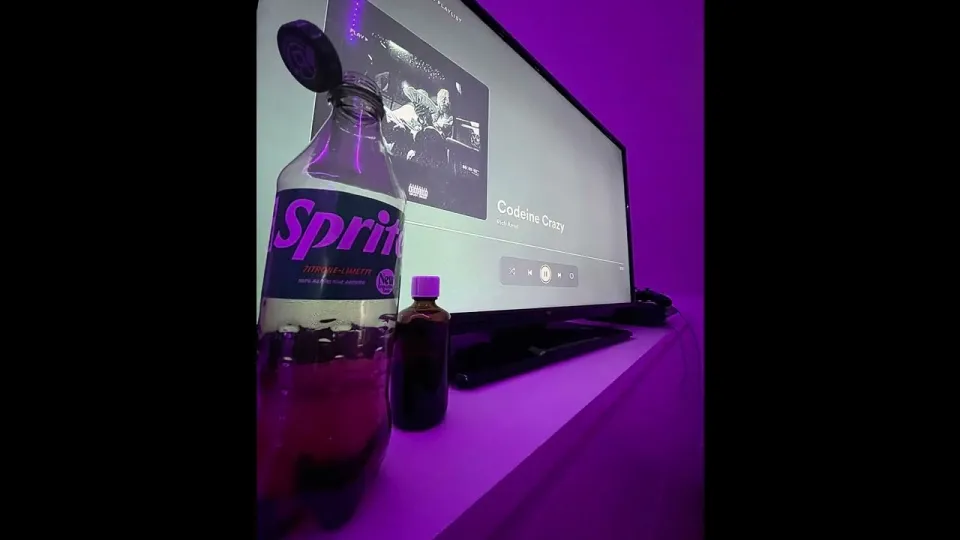
Video: [FREE] Freestyle Detroit Sample Type Beat - "2AM Club" | Trap Instrumental 2026
Want articles like this for your own video to promote it on YouTube and Google? Order them through the Telegram bot @sat_sit_bot. The bot writes and publishes the articles itself (with your YouTube video embedded) on popular topical websites (no ads). Try it free: 50 articles on us.
Key takeaways
- Drezly released "2AM Club" in June 2026 as a free, tagged freestyle Detroit sample type beat.
- Free use covers non-monetized, non-profit uploads only and requires "Prod. Drezly" in the title.
- Streaming release requires a paid license; untagged files are sold via BeatStars with a buy-2-get-1-free offer.
- Detroit beats sit roughly at 130–150 BPM with slow, dark sampled loops and heavy 808 bass.
- The genre blends trap drums with Detroit rap's street storytelling and minor-key melancholy.
A Detroit beat is a trap instrumental built on slow, dark sampled loops, heavy 808 bass and drum patterns around 130–150 BPM, made for the street-level, narrative style of Detroit rap. Drezly's "2AM Club" is a working example: a free freestyle Detroit sample type beat whose untagged version can be bought through the BeatStars listing, where the store runs a buy-2-get-1-free offer. The track shows exactly what the term means in practice — a sample-driven loop, sparse drums, and space left for a rapper to talk.
What a Detroit beat actually is
A Detroit beat is less a fixed drum kit than a mood: minor-key samples, filtered textures and a tempo slow enough for conversational, detail-heavy verses. The city's rap lineage — from 1990s underground tapes to the streaming-era wave of Babyface Ray, Peezy and 42 Dugg — runs on beats that feel like cold nights and empty blocks rather than club drops.
In a type beat, producers rebuild that atmosphere without copying a specific song. Typical ingredients:
- A sampled or sample-style loop: soul, jazz, gospel or film-score chops, often pitched down and filtered.
- Slow-to-mid trap drums, usually 130–150 BPM, with rolling hi-hats kept restrained.
- A prominent 808 line that carries the low end and doubles the kick.
- Vinyl noise, tape hiss or room reverb to make the loop feel sourced from an old record.
- Long open sections — intros, breaks and drop-outs — so the vocal stays the main event.
"2AM Club" follows that recipe: the title itself points to the after-hours setting the genre loves, and the beat is labeled both freestyle and sample-based, which tells you the loop is central and the arrangement leaves room for improvisation.
How "2AM Club" is built and what the license allows
"2AM Club" is a free download for non-monetized, non-profit use, and that free tier has a clear condition: credit the producer in the title as "Prod. Drezly." Anything that goes to digital streaming platforms requires a purchased license — otherwise the track gets taken down. That split matters for anyone planning a release, because a song can sit on YouTube or SoundCloud for free and still need paperwork the moment it hits Spotify or Apple Music.
For clean audio, the untagged version is sold at https://bsta.rs/PNKHQA, where the store offers buy two, get one free. The producer also handles exclusive licenses, track stems and custom beats on request through the contacts listed with the video. In short:
- Non-profit, non-monetized use: free with credit.
- Monetized or streaming release: paid license required.
- Untagged file: purchase through BeatStars.
- Exclusive rights, stems, custom work: direct request to the producer.
Why the sample-driven Detroit sound suits freestyle verses
A sampled Detroit loop works for freestyle because it repeats without demanding attention. The chop stays steady, the drums stay out of the way, and a rapper can ride the pocket for 16 or 32 bars without the beat changing under them. That is why so many type beats in this lane are marketed as freestyle-ready.
Listeners respond to that openness. Under "2AM Club," commenters posted full verses rather than one-liners — night-driving imagery, digital dashboards, blue thoughts at 2 AM, paper suitcases of doubt, prayers before sleep. The range is wide: English, Spanish, Serbian, Vietnamese, Arabic and Russian verses all landed under the same instrumental. That is the practical test of a good Detroit type beat — it accepts many voices without losing its own character.
A few writing approaches that fit this kind of loop:
- Open with a scene, not a claim: a time, a place, a detail from the block.
- Keep the flow conversational in the verses and let the hook carry the melody.
- Use the beat's empty pockets for ad-libs and short pauses instead of filling every bar.
- Save the hardest line for the last bar before the drop-out.
Common questions from people using Detroit type beats
Most doubts around free Detroit beats come down to rights, credit and whether a type beat can carry a real release. The comments under "2AM Club" show the same pattern: people treat the beat as a writing prompt first and a product second, and the licensing questions arrive later.
The recurring points:
- Credit format. Free use requires "Prod. Drezly" in the title; skipping it breaks the terms even when no money is involved.
- Monetization. Ad revenue, paid streams or any commercial release moves the track into licensed territory.
- Tagged versus untagged. The free file carries the producer tag; the paid file does not, which is why releases use the purchased version.
- Mixing. Several listeners praised the clean mix, which matters because a muddy low end forces the vocalist to fight the 808 instead of riding it.
- Language and style. Verses in multiple languages sit comfortably on the same beat, so the Detroit label describes the sound, not the passport.
How to pick a Detroit type beat that fits your voice
Choosing a Detroit beat starts with tempo and low-end density, not with the tag on the thumbnail. If your writing is dense and conversational, a slower loop with restrained hats leaves room; if you punch in short, rhythmic lines, a busier drum pattern keeps the energy up.
A quick checklist before you commit:
- Play the beat three times and freestyle once — if the pocket is not obvious by the second pass, it is the wrong beat.
- Check the BPM against your comfort zone; most Detroit-style trap sits in the 130–150 range.
- Test your voice over the 808: if the bass masks your low register, ask for stems or a mix adjustment.
- Confirm the license tier before you write a hook you plan to release.
- Save the untagged file separately from the free download so you never upload the tagged one by mistake.
Useful links
- Untagged purchase and licensing: https://bsta.rs/PNKHQA
- Producer store and catalog: https://www.beatstars.com/drezly
- Instagram: https://www.instagram.com/drezlyy
- WhatsApp for licenses, stems and custom beats: https://bit.ly/3AiDL3K
The bottom line on Detroit beats
A Detroit beat is a mood-first trap instrumental: a dark, often sampled loop, slow rolling drums and an 808 that carries the weight while the rapper tells the story. "2AM Club" shows the formula in a compact form — free for non-profit use with credit, licensed for streaming, and available untagged through the BeatStars page. If you write late-night, detail-heavy verses, this is the lane to test your pen in. The track and its terms come from the producer Drezly, whose catalog is worth checking if the sound fits.
Questions & answers
Can I release a song on a free Detroit type beat?
Only with a paid license. Free downloads are limited to non-monetized, non-profit use with producer credit in the title; uploading to streaming platforms without a license leads to takedowns.
What tempo and sound should I expect from a Detroit beat?
Most Detroit-style trap instrumentals run roughly 130–150 BPM with a sampled or sample-like minor-key loop, restrained hi-hats and a heavy 808. The result is slow, dark and built for narrative verses rather than club energy.
Do I have to credit the producer if I use the beat for free?
Yes. Free use requires the credit "Prod. Drezly" in the track title. The credit is the condition of the free tier, not an optional courtesy.
Can I get the untagged version or the stems?
The untagged file is sold through the BeatStars listing, and stems, exclusive licenses and custom beats are available on direct request via the producer's WhatsApp contact.
Source: [FREE] Freestyle Detroit Sample Type Beat - "2AM Club" | Trap Instrumental 2026 · Markdown version